A free monthly newsletter
Alzheimer’s research, read for you, in plain English.
What was found, how far it is from helping anyone, and what’s worth knowing at home.
Subscribe on Substack newsletter.alzamateurs.com
The brain’s cleanup crew is becoming the story
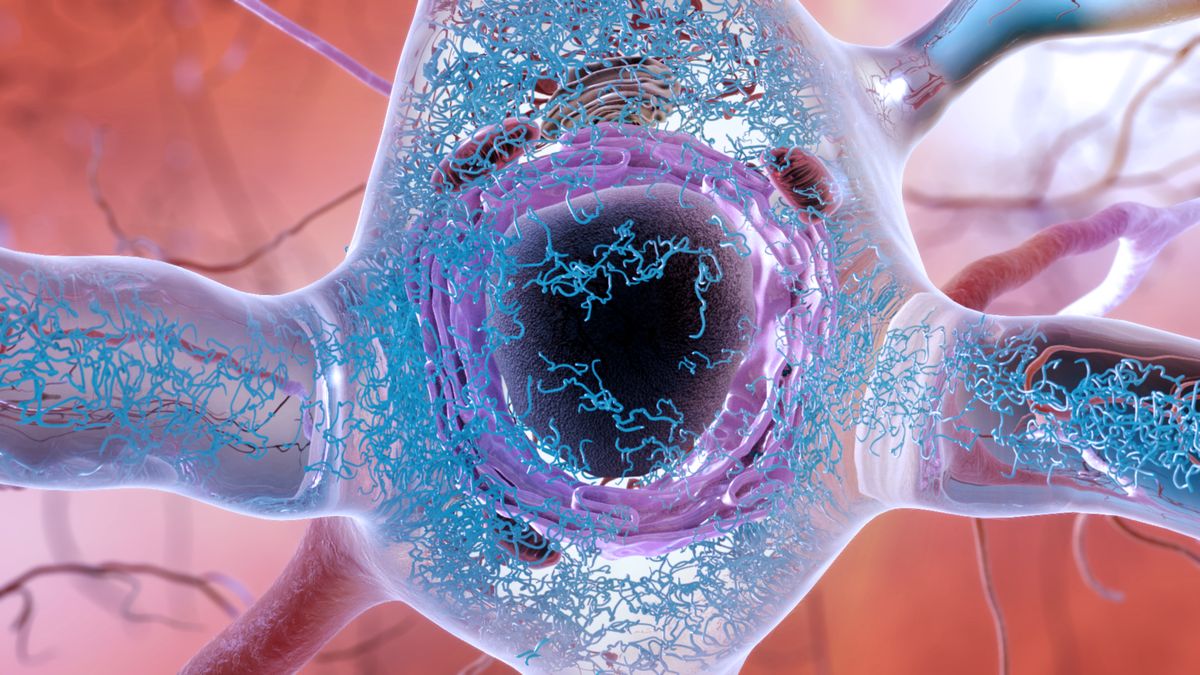
For a century, Alzheimer’s research mostly asked what piles up in the brain. Some of the most exciting work now asks the reverse: how the brain takes out its own trash.
This week, behind the newsletter
How it’s made →The Research Index
What we’ve covered, and where it stands now
 Study · Journals
A blood-test “clock” estimates when Alzheimer’s symptoms will start
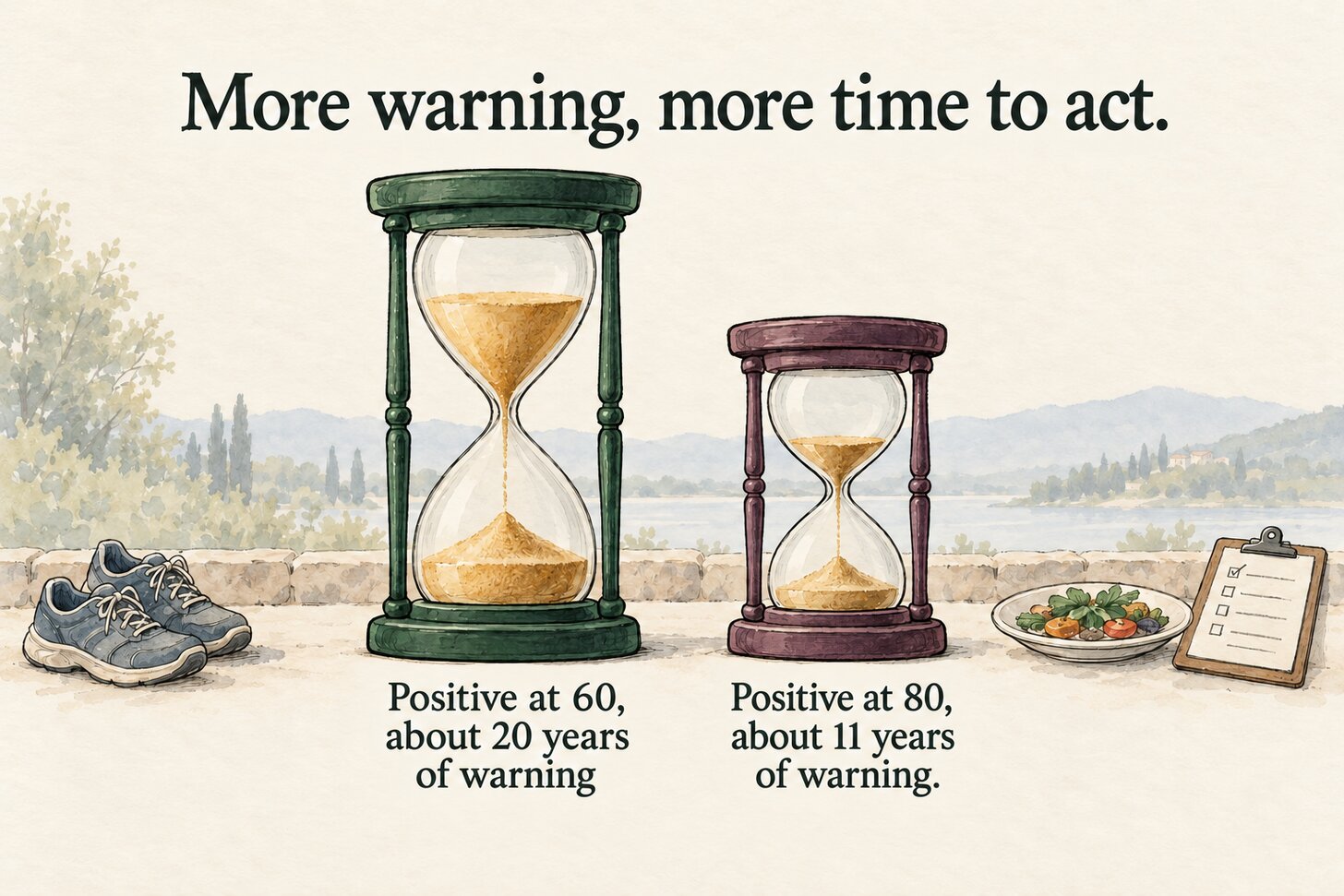
p‑tau217 is a protein in the blood that reflects Alzheimer’s changes in the brain. A WashU Medicine team built models that turn one p‑tau217 measurement into an estimated time until symptoms, and in two groups of research volunteers the estimates were typically off by 3 to 4 years. Age set the pace: crossing the test’s threshold at 60 came with about 20 years of warning, at 80 about 11. Where it stands: a research tool for choosing prevention-trial volunteers. Not yet precise enough for one person’s forecast.
People · research tool
- Study · InstitutionsA cheap seizure drug kept neurons from making the stickiest amyloid, in mice and human cellsMice · human cells
- Study · InstitutionsA lifetime of reading and learning came with a later Alzheimer’s diagnosisPeople · association
- Study · JournalsAlzheimer’s blood tests held up in six Latin American countriesPeople · research tool
- Story · InstitutionsFDA recall: some Lumipulse blood-test cartridges gave falsely high resultsRegulator · recall
How it’s made
A second brain that reads the research every week.
AI Scouts search, an Obsidian vault remembers, and I make every call. This newsletter is one view of it.
- The Scouts go out
- The Haul is sorted
- Pass, Track or Dig
- The Dig
- Built on the Bench
- Checked, more than once
- Nothing goes out without my yes
- The site catches up
What the Scouts brought back
Friday, 6 November 2026: 4 reports citing 35 sources.
- Weekly Alzheimer’s & Dementia Research Update
- a new CTAD date, but no watchlist readout
- The before-and-after, and the bottle next to it
One database, many ways to look at it
Choose a view
-
People · research tool
Study · Journals
A blood-test “clock” estimates when Alzheimer’s symptoms will start
p‑tau217 is a protein in the blood that reflects Alzheimer’s changes in the brain. A WashU Medicine team built models that turn one p‑tau217 measurement into an estimated time until symptoms, and in two groups of research volunteers the estimates were typically off by 3 to 4 years. Age set the pace: crossing the test’s threshold at 60 came with about 20 years of warning, at 80 about 11. Where it stands: a research tool for choosing prevention-trial volunteers. Not yet precise enough for one person’s forecast.
People · research tool -
Mice · human cells
Study · Institutions
A cheap seizure drug kept neurons from making the stickiest amyloid, in mice and human cells
Levetiracetam is an inexpensive prescription drug for seizures. A Northwestern team found it slows how neurons recycle parts of themselves, steering them away from making amyloid-beta 42, the form that clumps into plaques. It worked in mice and in human cells, and the researchers say it would have to start years before symptoms. Where it stands: lab and mouse work. Not a reason to start or stop the drug.
Mice · human cells -
People · association
Study · Institutions
A lifetime of reading and learning came with a later Alzheimer’s diagnosis
Rush University followed 1,939 older adults and scored their “lifetime enrichment”: books at home as a child, a library card in midlife, puzzles and games later on. The top tenth were diagnosed with Alzheimer’s at 94 on average, against 88 for the bottom tenth. Their donated brains didn’t have fewer plaques and tangles, but their thinking held up better near the end of life. Where it stands: an association, partly based on childhood memories recalled decades later.
People · association - Show all 26 →